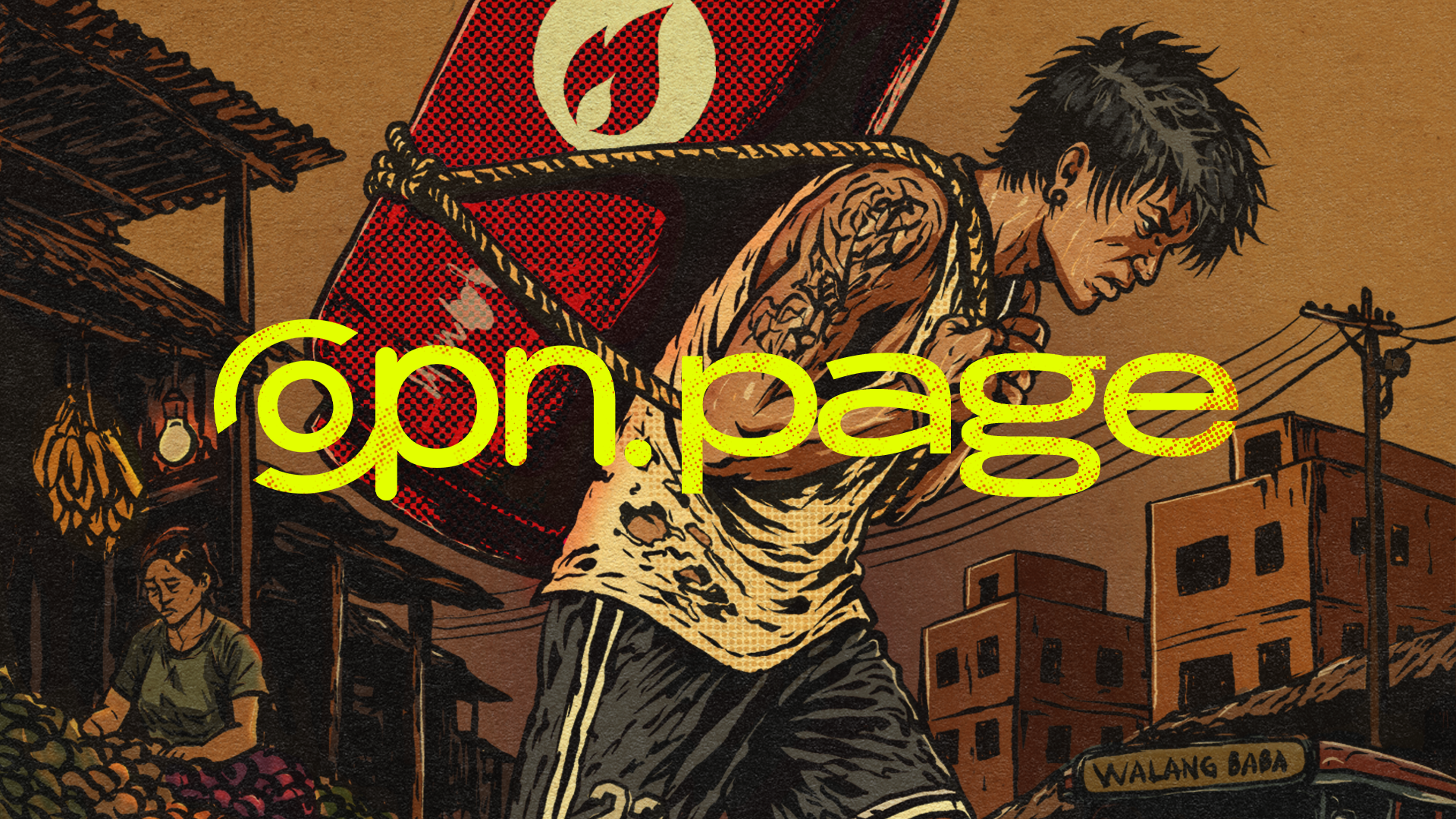
EAT IT UP: UNCERTAINTY IS THE NEW NORMAL
As fuel prices fluctuate across global markets, the impact is felt far from refineries, reshaping how Filipinos cook, eat, and gather.
April is meant to be a celebration.
Filipino Food Month usually invites a kind of nostalgia for shared tables, familiar flavors, the quiet pride of knowing where our dishes come from. But this year, beneath the surface of celebration is a tension that’s harder to ignore: food is becoming more expensive, less accessible, and increasingly uncertain.
It’s truly everything, all at once.
Electricity prices in the Philippines remain the highest in Southeast Asia, reaching around AUD 0.25 (or PHP 7.86) per kWh, according to Philippine News Agency. That cost trickles down to everything that requires power, from cold storage to restaurant kitchens. Businesses, especially small ones, are left with two options: absorb the loss or pass it on. And most can’t afford the first.
At the same time, the Department of Agriculture has warned that rising fuel and fertilizer costs are pushing farmers to cut back on production inputs. In real terms, this means lower yields, thinner margins, and higher prices at the market. Add to that a looming El Niño and the pressure compounds.
A recent report by the Manila Bulletin notes that drought is already affecting 25 provinces in Luzon, disrupting both farming and fishing livelihoods. Less water means fewer crops. Fewer crops mean higher prices. It’s a cycle that moves fast and hits hardest at the household level.
Even at the global scale, the outlook is unstable. Agriculture Secretary Francisco Tiu Laurel Jr. described the current food system as a “Wild, Wild West” shaped by climate shocks, geopolitical conflict, and fragile supply chains.
In other words, unpredictability is the new normal.
Rice, the country’s most essential staple, sits at the center of this tension. In an analysis by Dr. Teodoro Mendoza, PhD, the study suggests imports could rise to as much as 6 million metric tons if a Super El Niño hits. That level of dependence exposes the Philippines to a global price swings and supply disruptions, especially when key exporters face the same climate risks.
So where does that leave the everyday Filipino?
For many households, the question is no longer what to cook for dinner, but whether there’s enough to cook at all. Rising electricity bills compete with grocery budgets. Transport costs eat into daily wages. The idea of celebrating food becomes secondary to simply securing it.
A friend recently compared their grocery receipts from January vs. March with the same items from the same store for just two months apart. What we thought would shift by a few pesos had become a 10-15 peso increase per item. It’s the kind of change you barely notice at first until it accumulates. Until the total looks different. Until the gap between what you used to afford and what you can afford now becomes harder to ignore.
This moment also reveals something deeper about Filipino culture.
For generations, Filipino cuisine has been shaped by constraint. Dishes like Adobo, Sinigang, and Sisig were born from necessity through ways of stretching ingredients, preserving food, and making something meaningful out of what was available. Resourcefulness is embedded in the way Filipinos cook, eat, and survive.
But there’s a difference between resilience and being forced to endure. The risk now is that resilience becomes an excuse for inaction.
From a broader perspective, this also reshapes how Filipino identity is experienced abroad. In places like Australia, where many Filipinos build lives while staying connected at home, rising food costs and supply instability change how culture is shared. Ingredients become harder to source. Prices shift. The everyday act of cooking Filipino food becomes more intentional, sometimes even more difficult.
At the same time, it highlights a growing opportunity of stronger regional cooperation. Australia with its agricultural capacity, and the Philippines with its demand and diaspora networks, sit in a position where food systems could be more collaborative. But that requires policy alignment, not just cultural exchange.
Because at its core, this is no longer just about food but about security.
The argument coming from the analysis is becoming clearer: food security should be treated with the same urgency as national defense. Buffer stocks, farmer protections, and energy reforms are necessary safeguards. Without them, the country remains exposed to both inflation and instability.
Structural change has always been the cry of everyday Filipinos.
Lowering energy costs. Supporting farmers with real farmers with real rice protections. Expanding food reserves. Investing in climate-resilient systems. These directly determine whether food remains accessible to the people who need it most.
Filipino Food Month reminds us of who we are through what we eat. But this year, it also asks a harder question: What happens when the ability to eat well is no longer guaranteed?
And more importantly, what are we willing to change to protect it?
Author:
Next Up