AGATHA GUTIERREZ AND THE DISCIPLINE OF SHOWING UP
For Agatha “Aga” Gutierrez, dance was never part of the plan.
She started in high school, following the example set by her older sister, Maxine, the dancer in the family who would perform at school and community events. Growing up in a household of five sisters and one brother, creativity often passed from one woman to another. Aga remembers watching her sister move and noticing something simple but powerful: the joy carried while doing it.
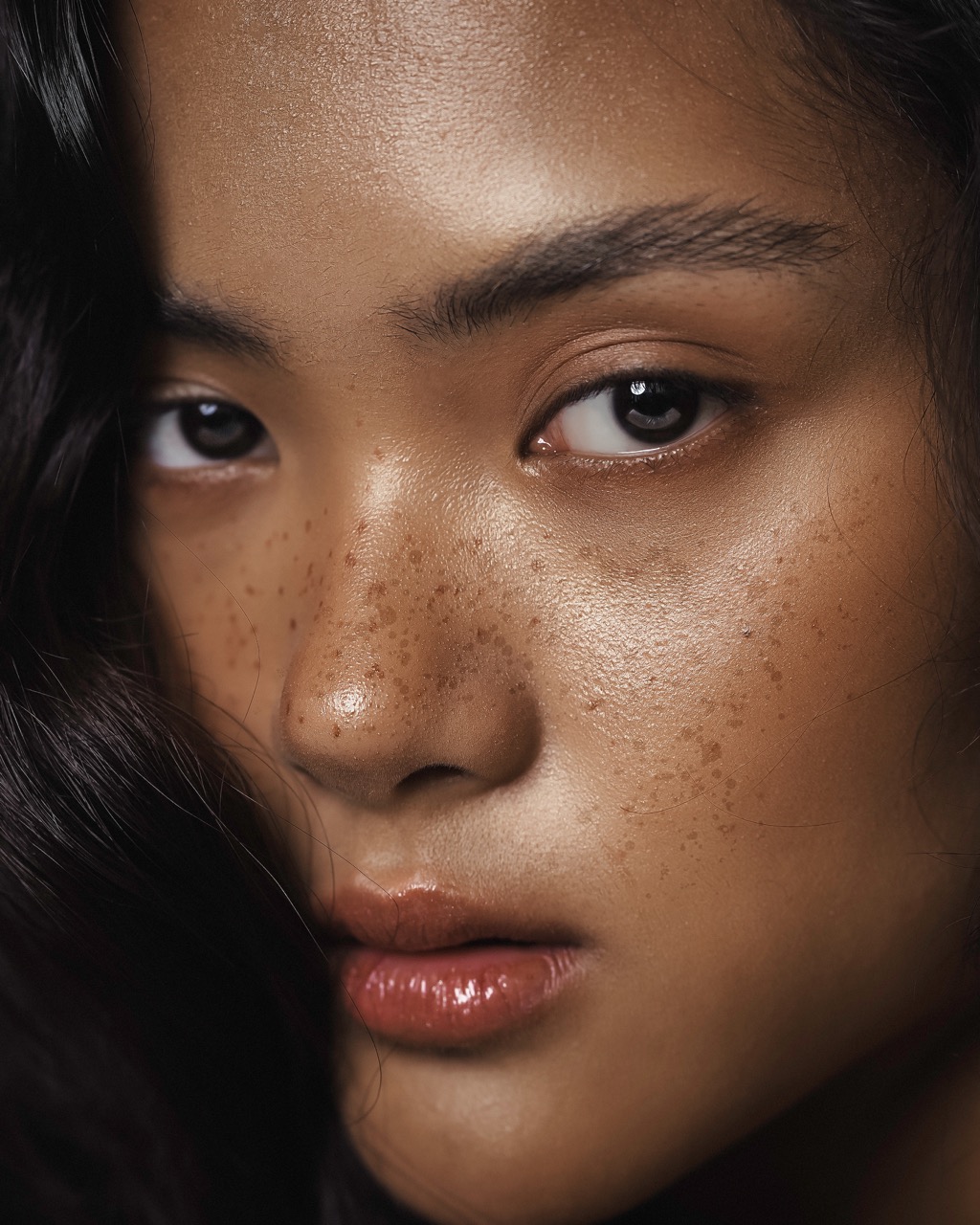
“I enjoyed seeing how much she was enjoying herself,” Aga recalls. “I wanted to experience that feeling, too.”
That curiosity turned into practice, and into attachment. Before long, dance became the space where she felt most like herself. As a teenager, it offered something many young people search for: a language to express emotions that were too difficult to articulate.
Over time, the practice stayed with her and what began as imitation slowly grew into identity.
MOVEMENT AS FOUNDATION
Modeling entered her life later during college.
The connection came naturally. While dancing, Aga found herself performing in front of cameras during competitions, concerts, and promotional shoots. At some point, she realized she enjoyed posing just as much as moving.
“That was the first time I thought, maybe I actually like being in front of the camera,” she says.
What began as casual work for posters and concert visuals gradually became something she considered pursuing more seriously. The more she explored the craft, the clearer the connection between the two disciplines became.
At her core, Aga sees herself less as a model or a dancer and more as a performer.
“I enjoy portraying something different from who I am in everyday life,” she explains. “Whether it’s on stage or in front of the camera, it feels like the same instinct. It’s still performance.”
That mindset allows her to move fluidly between two industries that rarely overlap but share the same building blocks of movement, presence, and interpretation.
LEARNING TO LISTEN
Despite those similarities, Aga is the first to admit that modeling comes with its own set of challenges.
Within fashion circles, many people know she dances and that reputation brings a certain expectation. On set, photographers sometimes assume that posing will come naturally because of her dance background.
In reality, the two forms demand different kinds of control.
On stage, the body moves dynamically through space. In photography, every movement must pause long enough to be captured.
“Dance is about flow,” she says. “Modeling is about being very aware of every part of your body. Even when the photo looks effortless, you’re thinking about where your hands are, your neck, your posture.” Still, the lessons she learned in dance continue to guide her work.
One skill in particular stands out: listening.

In dance crews, performers learn to read the energy of the people around them. They adjust rhythm, match intensity, and build chemistry on stage. Aga approaches photoshoots the same way.
“You’re not the only person in the room,” she explains. “You’re working with photographers, directors, stylists. Listening to their vision and finding the right energy together is part of the process.”
The shoots she enjoys the most often resemble the feeling of being in a dance class. When the atmosphere is collaborative, the results tend to be stronger.
Some recent projects have leaned directly into her dance background. Certain brands now ask her to dance during video shoots or fashion campaigns. One memorable project required her to perform fluid choreography while staying conscious of how each movement would translate visually.
The balance between instinct and precision is what keeps the work exciting.
QUIET PRESENCE
Online, Aga appears confident and expressive. With her community, she describes herself differently.
“I’m actually a quiet person,” she says, laughing.
In dance studios and backstage spaces, she often prefers to observe. Listening becomes her way of connecting with people. Instead of dominating conversations, she absorbs them. Those quieter moments are where many of her creative relationships begin.
Her communities in both dance and fashion share a similar spirit. Artists shift between roles. Dancers experiment with filmmaking. Models try choreography. Everyone seems to be exploring multiple paths at once.
That environment reinforces a belief Aga holds strongly: growth rarely happens alone.
%202%20Large.jpeg)
GIVE TO GAIN
This year’s International Women's Day theme, “Give to Gain,” resonates with the way Aga understands community.
Support, she says, tends to circulate.
“We’re all creatives trying to build something meaningful,” she explains. “The support you give eventually comes back in different ways.”
Sometimes that return appears as opportunities. She recalls performing on larger stages, including major concerts where she danced as a soloist. Those moments required trust from collaborators who believed she could deliver.
Modeling has offered similar experiences. Certain brands specifically cast her because they needed someone who could combine fashion presence with movement. For Aga, those opportunities feel like extensions of the same network of encouragement she tries to give others.
Within both communities, she has spent years learning from mentors. Many of them are women whose work continues to inspire her. Choreographers, performers, makeup artists, and creative directors shaped the environment she entered.
“The reason I’m here is because of the people I learned from,” she says.
BRIDGING TWO WORLDS
As her profile grows, Aga notices a subtle shift in how people describe her.
In fashion circles, she is often introduced as the model who can dance. In dance spaces, she becomes the dancer who models. Rather than seeing those labels as separate identities, she treats them as bridges.
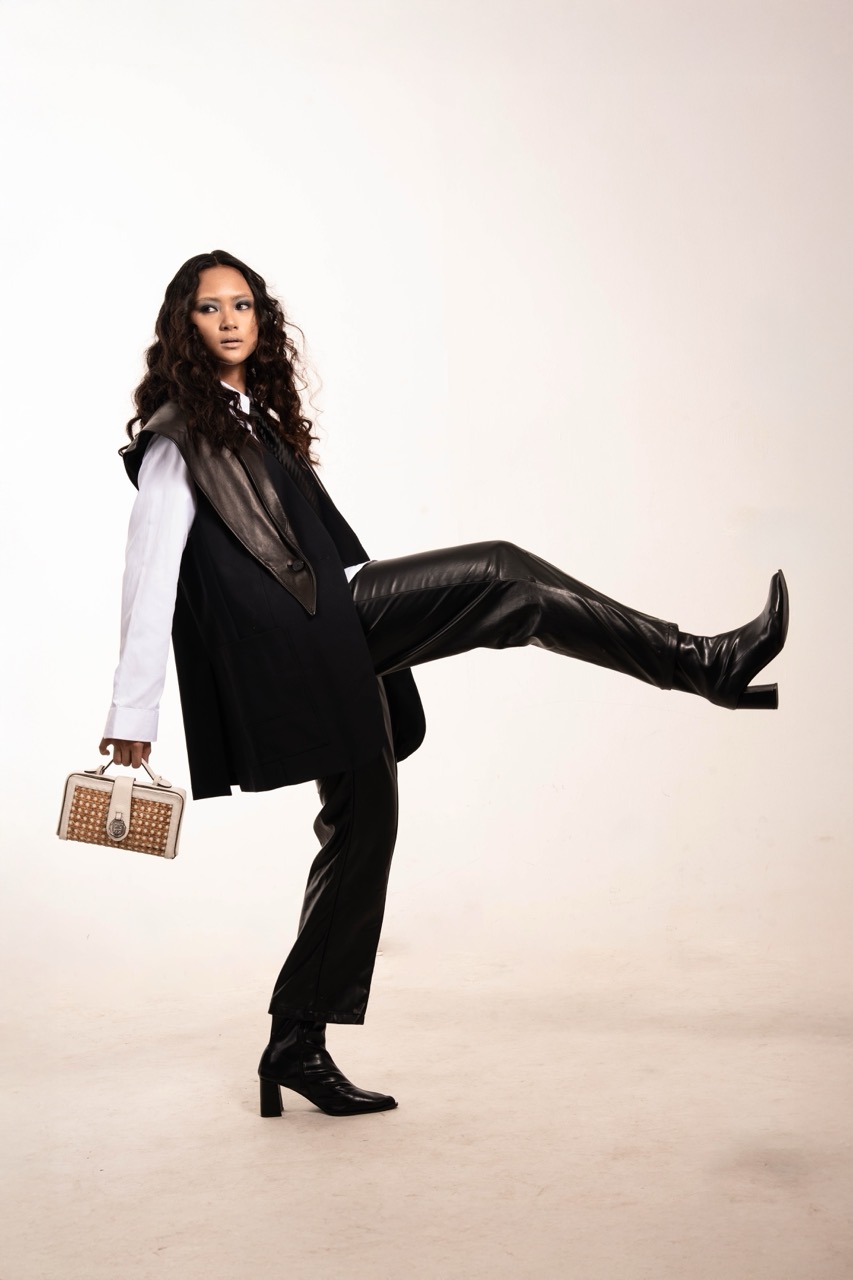
When fellow dancers express curiosity about modeling, she shares advice on how to start. When models show interest in dance, she recommends studios and classes where they can learn.
“These are small things,” she says, “but they help connect the two worlds.” Helping others navigate those spaces feels like a natural form of giving back.
WOMEN IN THE ROOM
Growing up surrounded by women shaped Aga’s perspective on the industries she works in.
She attended an all-girls school and spent much of her early life in environments where female mentors were common. Many of the dancers she admired were women leading teams, choreographing performances, and commanding stages.
Because of that, she rarely felt that women lacked influence.
Still, she recognizes the broader reality. Many creative fields remain male dominated, and women often carry an added pressure to prove themselves.
“There’s an expectation to be excellent,” she says. “If you’re going to stand out, you feel like you have to do something exceptional.”
Even so, she sees encouraging signs.
More women now occupy visible positions in both dance and fashion. More voices are shaping conversations. The list of influential names continues to grow.
“Now it’s not just ‘she’s good for a girl,’” Aga says. “There are just a lot of good artists who happen to be women.”
TAKING UP SPACE
For Aga, taking up space in creative environments means trusting her own abilities.
Confidence does not require shrinking or overcompensating. It means recognizing that she belongs in the room because of the work she brings.
“You’re there because you’re capable,” she says. “So you should stand in that.”
That philosophy extends to collaboration. When working with new teams, she keeps her ego in check while remaining open to ideas. Openness, she believes, creates stronger results.
“Sometimes the best projects happen when two communities come together,” she says. “That only works if everyone is willing to listen.”
THE LONG VIEW
When Aga thinks about the future, she hopes younger women entering dance or modeling will encounter the same kind of environment that shaped her own growth.
A supportive community. Safe spaces to experiment. Mentors who share knowledge about the industry beyond its polished surface.
Modeling agencies today are beginning to emphasize education, teaching newcomers how the profession works instead of focusing only on the glamorous side.
She hopes that trend continues.
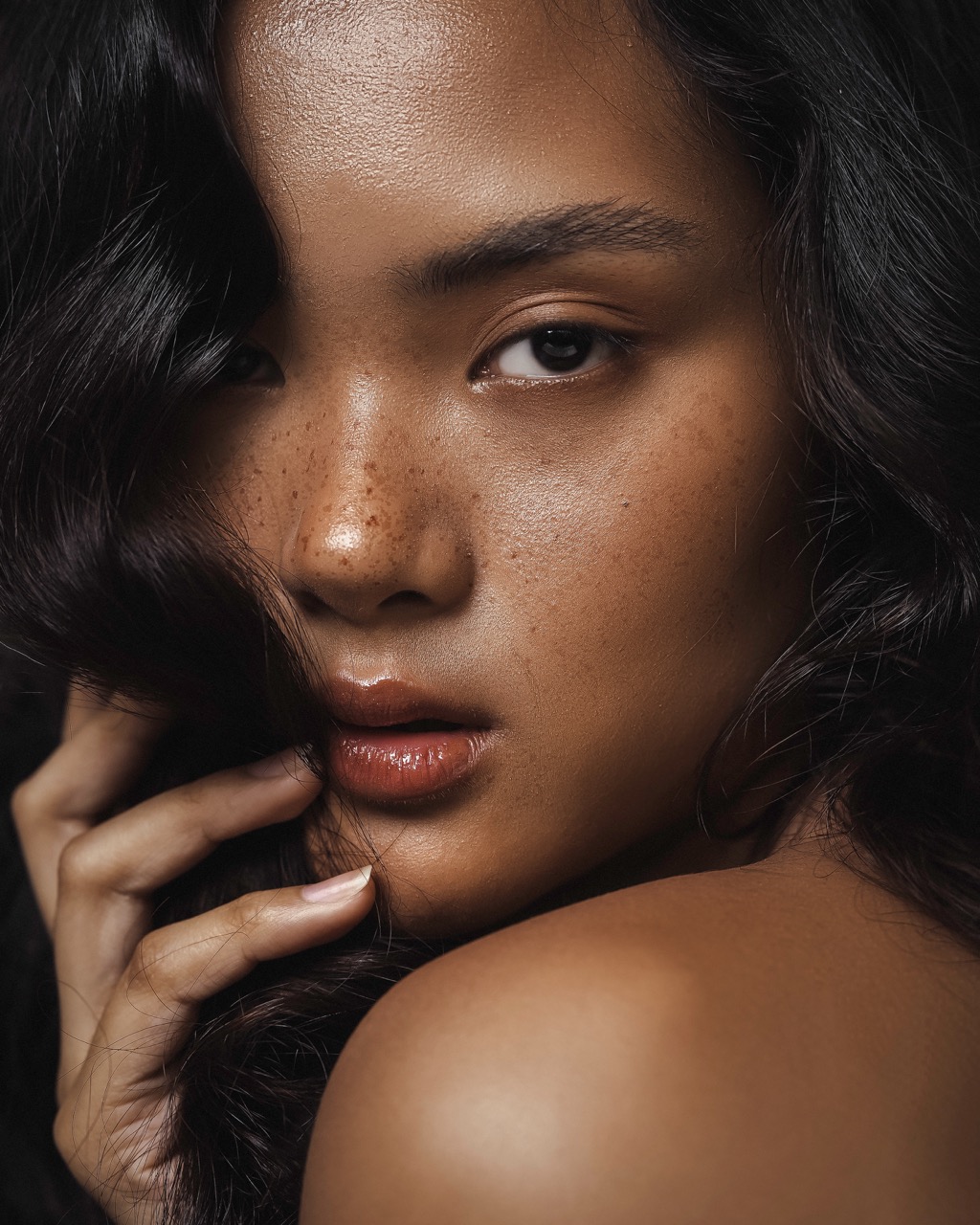
As for how she wants to be remembered by the people around her, Aga keeps the answer simple: consistency.
“I want people to remember that I showed up for them,” she says. “That I supported them and made them feel heard.”
The past year brought new visibility to her work. Momentum can be unpredictable in creative careers. Aga understands that progress rarely happens without the encouragement of others.
Showing up for her community remains her way of returning that energy.
And in both dance studios and fashion sets, the quiet discipline continues to guide her forward.
Author:
Next Up

%20-%20Website%20Thumbnail.jpg)