JEFF HALEY AND THE CHOREOGRAPHY OF TRUST
Jeff Haley knows audiences remember how a performance made them feel, and as someone responsible for creating some of the most memorable stage performances for Philippine drag artists such as Marina Summers, Minty Fresh, and Viñas DeLuxe, that distinction changes everything.
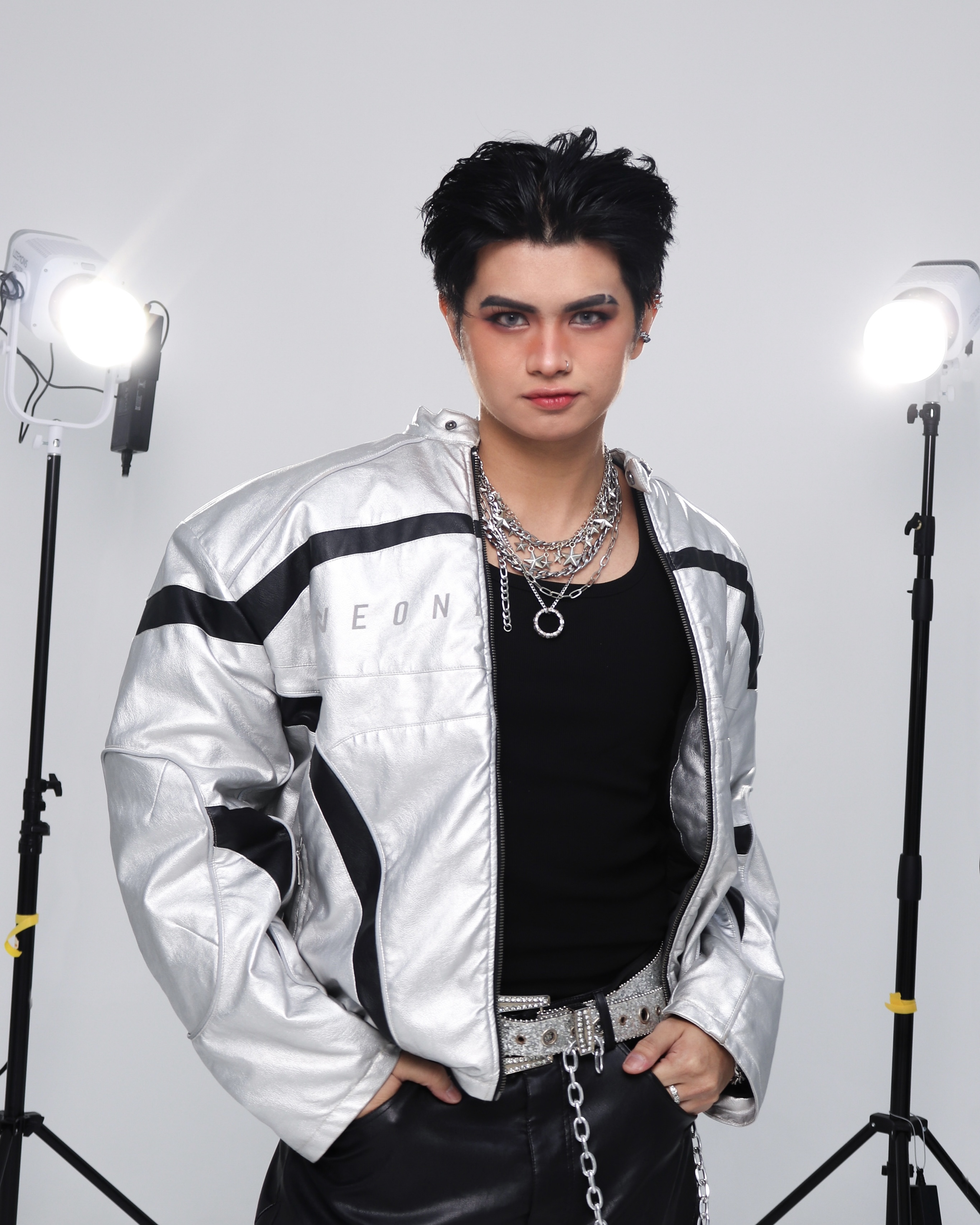
A routine can be technically flawless. Every count can land exactly where it’s supposed to. Every formation can be clean. But nothing lingers after the lights go down, then something goes missing.
“The technical side is important, yes,” Haley says. “But what people really remember is the feeling a performance leaves behind. When technique and emotion come together, that’s when you’re telling a story.”
That philosophy has quietly shaped her work over the past year.
While many audiences have only recently started associating Haley with elaborate drag productions, she spent years behind the scenes first, dancing as a backup performer before stepping into choreography herself. Her first major commission came through Minty Fresh during Drag In The South, where she created performances for the queen’s segments, Alien Superstar and Supernova. Soon after, one project turned into another.
“I’d been dancing behind queens for a long time,” she says. “It was only last year that I started choreographing for them, then the projects just kept coming.”
A path has been paved for Haley, a path built on trust.
TRUST BEFORE CONFIDENCE
Haley is no stranger to anxiety and imposter syndromes.
“Every time a queen reaches out asking me to choreograph a performance, there’s always that moment of doubt," she says. Haley understands that every message she receives that someone else’s vision is now in her hands.
“But I've realized that if they chose to trust me, it's because they saw something in me that I sometimes struggle to see in myself. That kind of trust isn't something I take lightly.”

For Haley, collaboration is all about making the work stronger together.
“A creative partnership only thrives when both people are willing to challenge each other.”
When disagreements happen, her instinct isn’t to push harder but to explain. “I’d tell them, ‘We can absolutely try your idea but let’s also explore this because I think it’ll highlight your strengths’.” These kinds of conversations only work because she spends time studying every performer she works with.
“I research how they perform, how they move, what makes them unique. I never suggest something that doesn't feel authentic to who they are.”
Listening, she says, is part of choreography, too.
THE WORK PEOPLE DON’T SEE
One misconception Haley wishes would disappear is the idea that dance comes together overnight.
People see three minutes on stage, but not the weeks of rehearsals.
“Some people would think we just copy something from YouTube and make it look pretty,” she laughs. “It takes hours just to create something that looks effortless.”
Every rehearsal asks the same question: what are we trying to make people feel? And the answer influences everything from movement quality to musicality, spacing, dynamics, and even silence.
“When we create a piece, we’re trying to communicate something. That’s why rehearsals matter so much,” Ironically, if audiences never notice the choreography itself, Haley considers that a success.
“They won’t remember every move, but they will remember how the performance made them feel.”
STORY FIRST
Rather than chasing the biggest trick or the loudest moment, Haley follows what the music is saying.
“You don’t have to be at one intensity the whole time,” she explains. “A performance needs dynamics. IT needs highs and lows. Just like a movie.”
Cinema, in fact, is one of her biggest creative influences.
“I watch a lot of iconic films and I still reference them when I create. You have to give the audience time to absorb what’s happening.”
That same philosophy follows her beyond drag productions.
As a member of Femme MNL, Haley will represent the Philippines at the Hip Hop International World Championships in Phoenix, Arizona. Whether she’s performing on an international competition stage or choreographing for drag artists back home, the approach stays remarkably consistent.
The goal is to connect.
INVEST IN YOURSELF
“Opportunities don’t just appear overnight,” Haley openly admits that sustaining a career in dance isn’t easy. Her advice to younger creatives is practical: Take classes. Keep learning. Explore different styles. Put your work out there even when it feels uncomfortable.
“If you want this to become your career, you have to invest in yourself. That’s how people begin trusting you with opportunities.”
Though the hardest obstacle, she says, is rarely external. “It’s usually yourself.”
Your inner voice can easily become the loudest critic in the room but to address that, her answer is simple, “Trust your instincts. Trust your gut. Most of the time, you’re right.”
WHAT THE AUDIENCE NEVER SEES
Behind every three-minute performance is an invisible process of brainstorming, revisions, rehearsals, conversations, and quiet moments of doubt.
Haley hopes audiences remember that because to her, every unforgettable performance is built by people choosing to trust one another.
“You don’t have to remember the choreography,” she says. “You just have to remember the feeling of it.”

The audience may never know how many rehearsals it took. They’ll never hear the conversations that shaped every transition or the compromises that made every moment stronger.
And maybe they don’t have to.
If they leave the venue remembering how a performance made them feel, then the work has already done what it was meant to do.
Author:
Next Up