%20-%20Website%20Thumbnail.jpg)
FROM ONE HOUSE TO ANOTHER: What Australian dancers found in Manila beyond the dancefloor
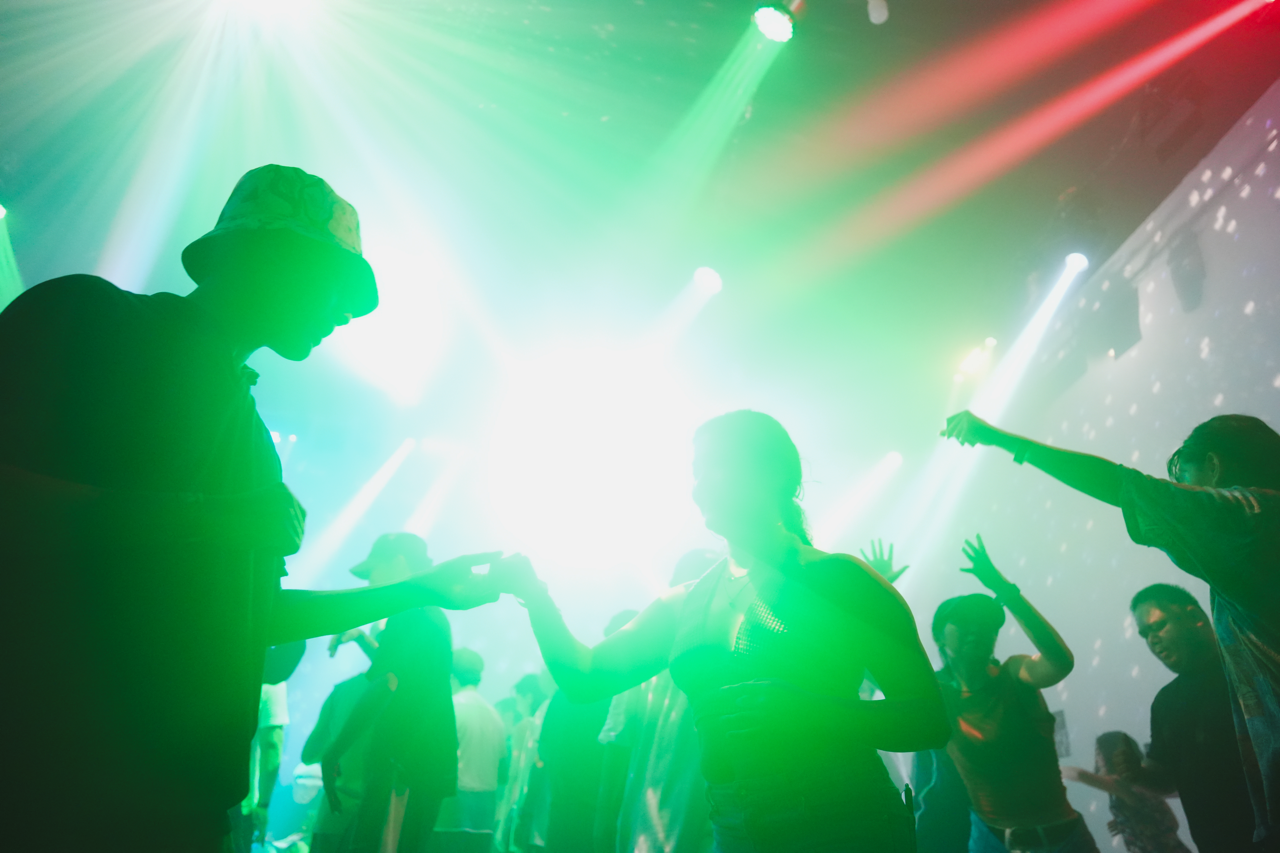
In 2025, one Australian dancer made the trip to Manila to experience House 2 House (H2H). This year, eleven did.
On paper, that might seem like a small number, but for a community-driven dance culture built on shared experiences and exchange, it signals something much bigger than attendance figures.
H2H has always been more than a competition. While battles remain at its center, the event has steadily evolved into a gathering where dancers from different countries come together to share music, ideas, stories, and culture.
This year, that growing connection was particularly visible in the increasing international guest presence, one of which are the Australians. Among those returning was Robin who made it all the way to the semifinals before being eliminated by eventual champion, Jevan. Yet when asked why he came back, the answer had little to do with placements.
“H2H last year was so inspiring for me and really cemented my desire to spend more time with my community and peers both locally and internationally,” he shares.
The relationships he formed in Manila continued long after the event ended. “These connections really helped me grow and love house dance even more over the year.” That experience became the reason he returned. More importantly, it became the reason he encouraged others from Australia to come with him.
“I had to come back because many of my community in Australia wanted to go this year after I told them about it. I wanted to accompany everyone to their first international house culture event,” he shares.
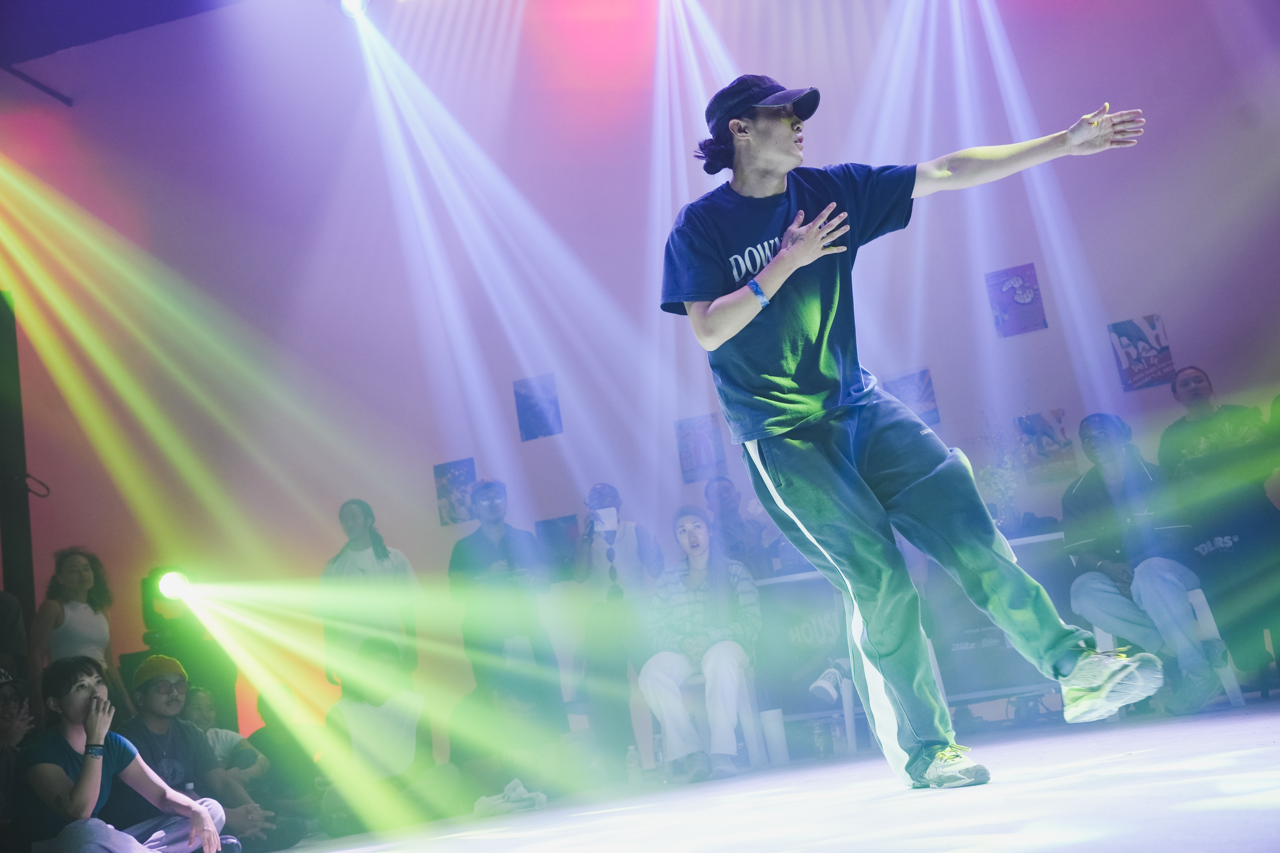
For Robin, the event represents something increasingly rare. “There are precious few events where anyone at any point in their house journey can go and get a rich and inspiring experience.” What distinguishes H2H, he explains, is its emphasis on culture over competition.
“It’s so much more than a battle. It’s really a house culture festival with a community that understands that the party and shared journeys are more important than just the battle.”
That culture-first approach was something first-time attendee Kenneth immediately felt upon arriving in Manila. Like many of the Australian dancers this year, Kenneth’s introduction to H2H came through Robin. Having heard stories about the event through the year, he arrived expecting long days, workshops, and a good atmosphere and what he encountered exceeded those expectations.
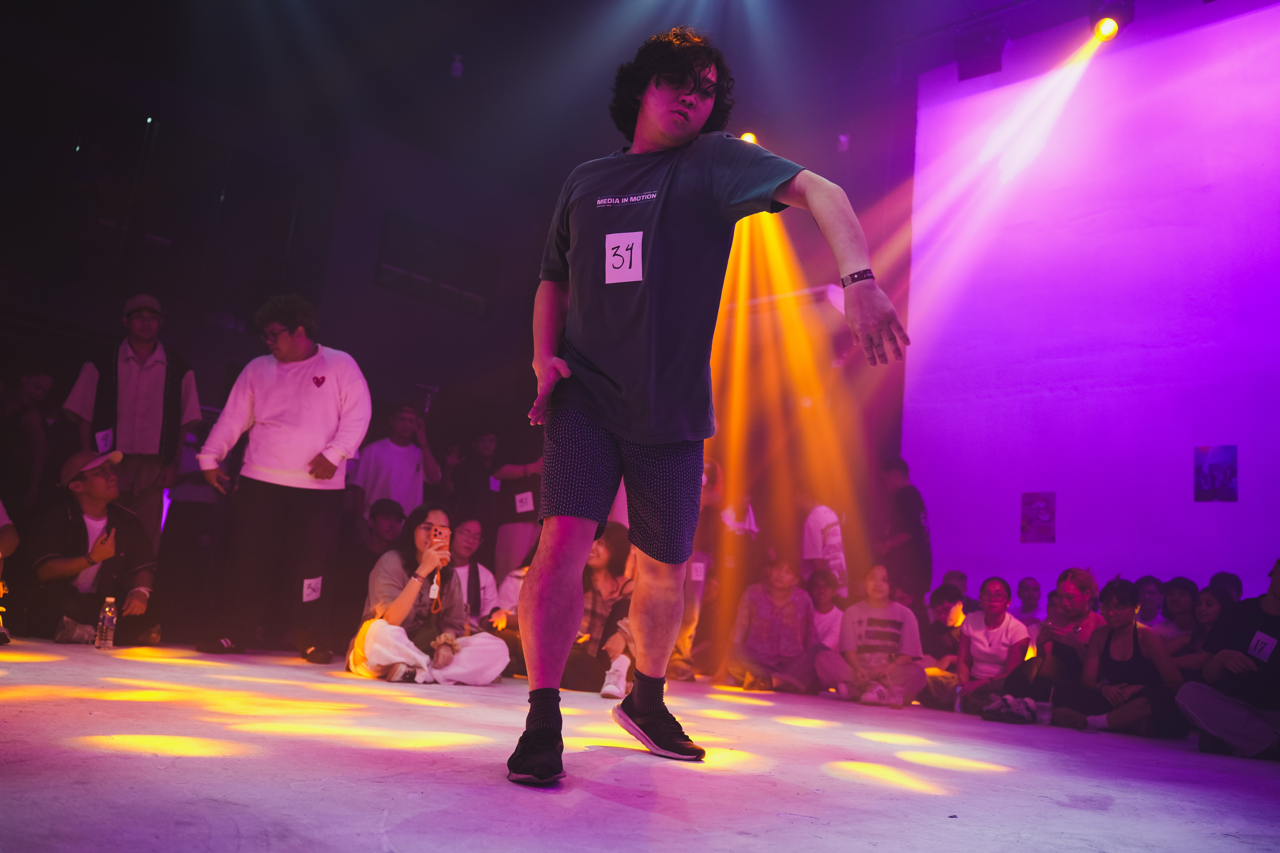
“This being my first overseas dance event, there were so many memorable and inspirational moments which totally lived up to the hype,” he says. “I was constantly thinking of things to practice and share with the others back home, or even just some of the cool moments I got to witness.”
To Kenneth, what stood out was the people. “Something that really stood out to me was just how friendly and welcoming everyone was. Even at the pre-party, many of the local dancers immediately introduced themselves and made us feel at home.”
For visitors experiencing the Philippine scene for the first time, that openness became one of the defining characteristics of the event. Kenneth was also struck by the sheer size of the local community and the way H2H intentionally weaves Filipino culture into its programming.
“Some of the performances and battle formats surprised me, especially how they incorporated local culture. I was mesmerized every time.”
That integration of culture into dance reflects what makes H2H unique. While many events focus primarily on the battle, the event creates opportunities for visitors to experience the community behind the dance. Whether through workshops, parties, conversations, shared meals, or moments as simple as a salu-salo (gathering), the event invites dancers into a broader cultural exchange.
The learning, however, moves both ways.
When asked what Australian and Philippine dancers could learn from each other, Kenneth points less to technical skills and more to values already shared between both communities.
“I feel like both the scene in the Philippines and in Sydney share the same sense of warmth and heart that’s really core to house culture.”
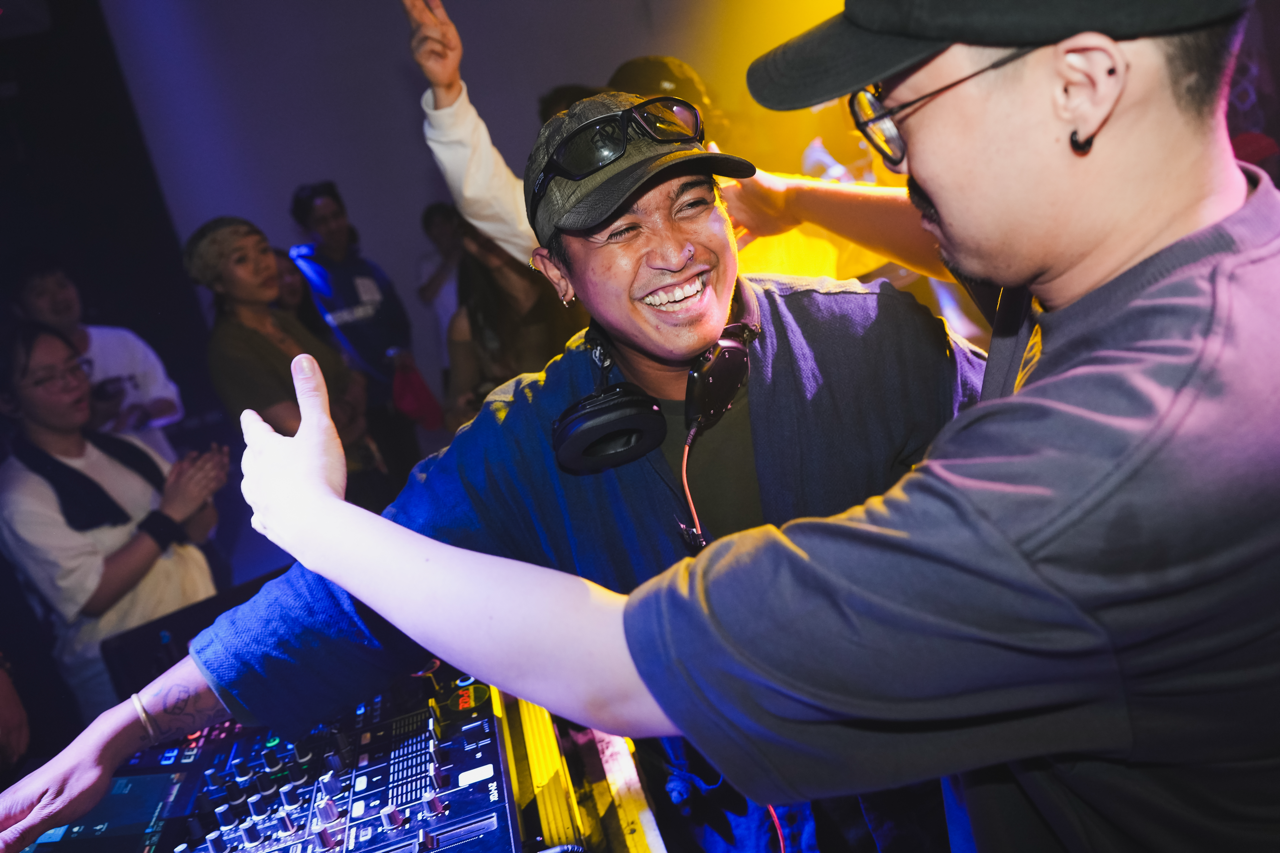
He points to Sydney’s community gatherings, particularly the Wednesday night park jams that often evolve into picnic cookouts, as examples of how house culture extends beyond dancing. Yet despite the distance between the two countries, the similarities felt more striking than the difference.
“The things that drew me to house in the first place, I see very clearly in practice in both scenes. Everyone works hard, has fun, and loves house.”
And while Australia and Philippines are separated by geography, dancers from both communities often find themselves connected by similar values: a love for the music, respect for the culture, and a desire to build meaningful spaces for others.
Having spent time within both communities, Robin sees something particularly special in the Manila scene.
“The Manila house community has so much energy and love to give. Sharing is so ingrained for [you] all. It inspired me to return home with a newfound focus on trying to work together and make something happen for everyone.”
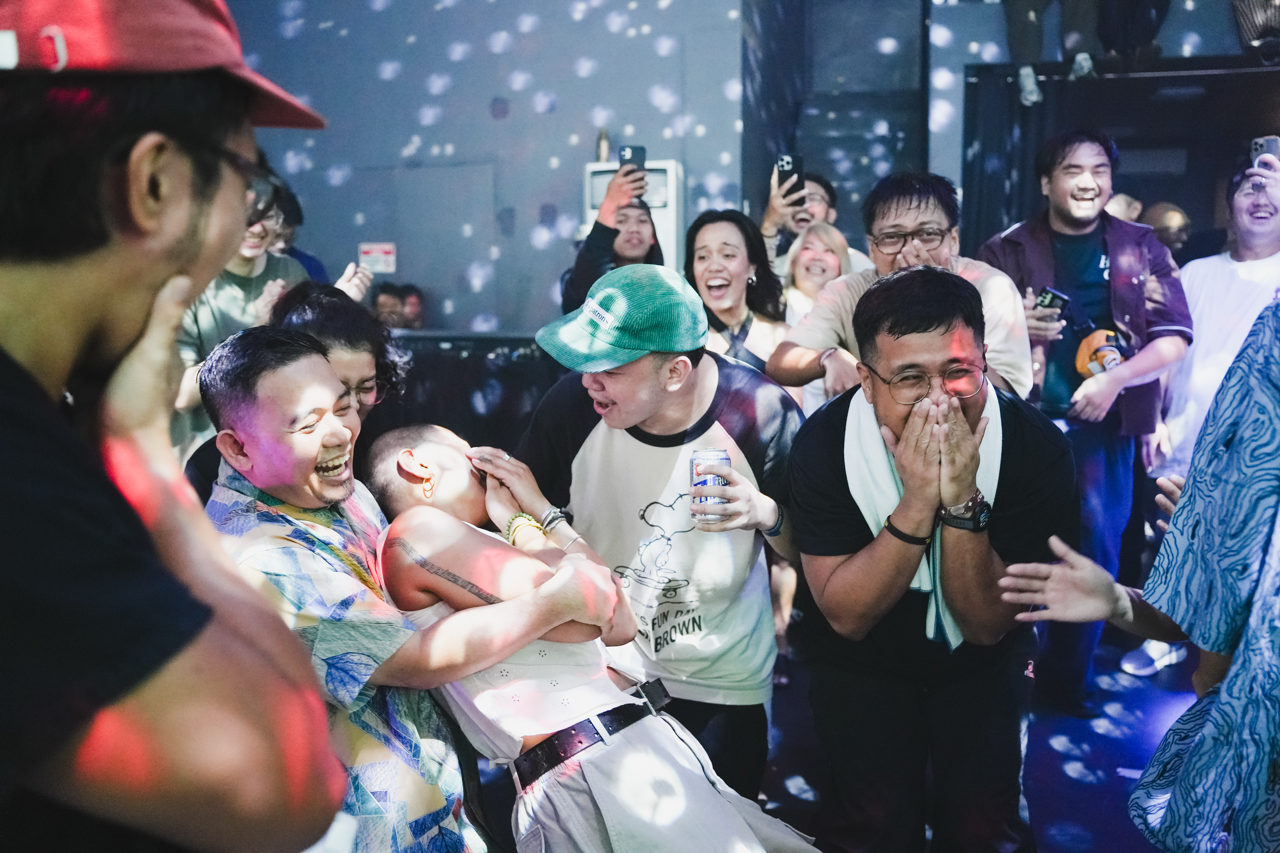
Perhaps, that’s why the growing Australian presence feels significant. It’s easy to view international events through the lens of winners and results, but what happened at H2H this year suggests another story unfolding alongside the battles.
One where dancers travel across borders to connect. One where communities learn from one another. And one where a trip to Manila can inspire something that continues growing long after the music stops.
If last year represented curiosity, this year feels like the beginning of something more sustained.
The dance and music may bring people together, but it’s the community that keeps them coming back.
Author:
Next Up